
Lawn Issues in Rhode Island, Massachusetts, and Connecticut
Overwatering your lawn can cause more damage than underwatering. Most turf grasses are naturally resilient and can tolerate short dry spells — but they do not thrive in consistently saturated soil. Excess moisture can suffocate roots and create ideal conditions for disease. In general, most grasses require 1 to 1½ inches of water per week. This amount should moisten the soil to 4–6 inches deep in clay soils and 8–10 inches deep in sandy soils.
Measure — Don’t Guess how much water your lawn is receiving. To track rainfall, invest in a simple rain gauge. At the end of each week: If Mother Nature has provided enough rain, hold off on watering, and/or if rainfall falls short, supplement accordingly. If you use an irrigation system, measure how much water your sprinklers are actually delivering to ensure you are not overapplying.
Best Time to Water: Watering in the early morning is ideal. This allows grass blades time to dry during the day, reducing the risk of fungal diseases.
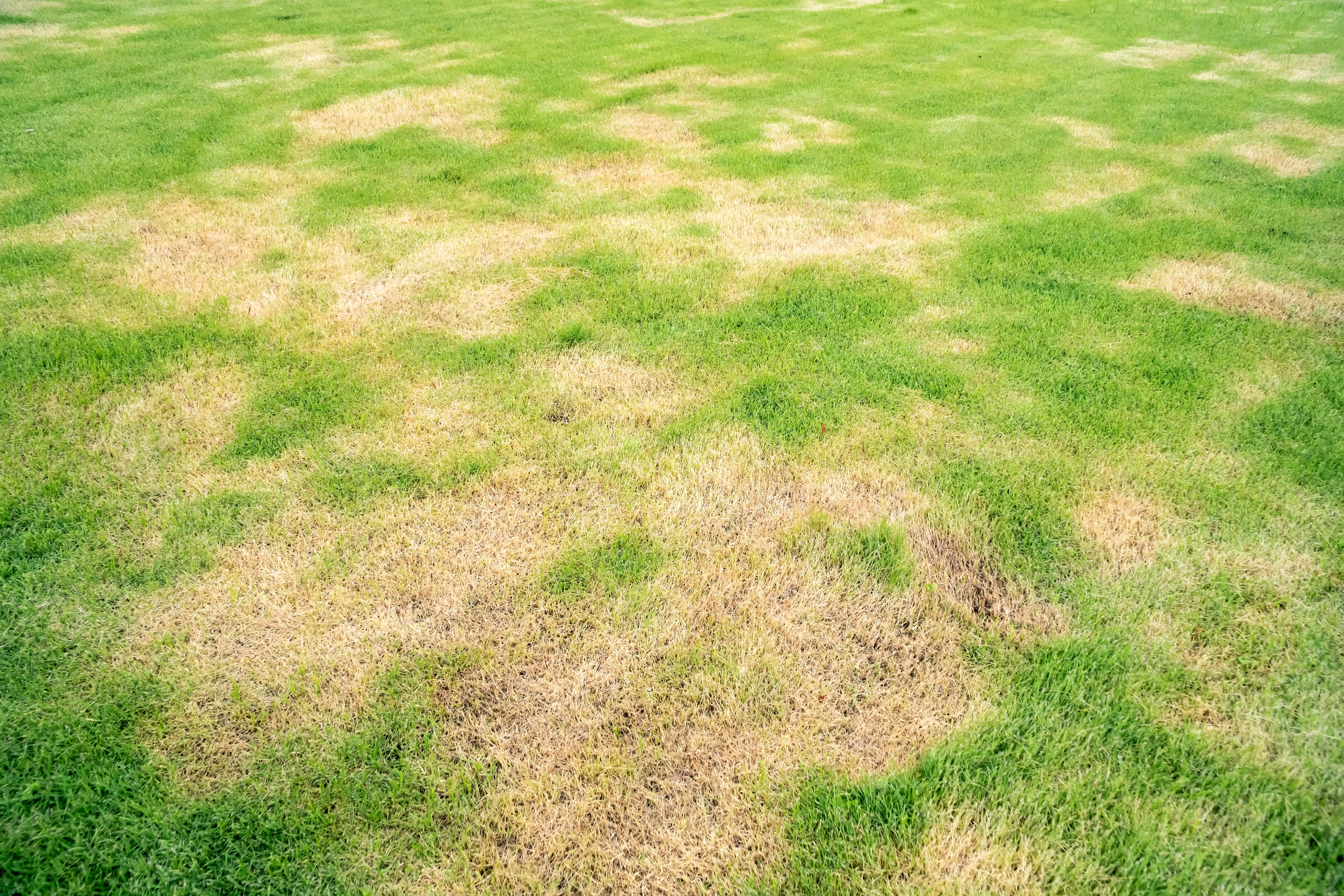
The Risks of Underwatering: While overwatering is harmful, prolonged drought can also stress your lawn. Extended dry conditions weaken the root system and may invite diseases such as necrotic ring spot. Symptoms like brown patches are often mistaken for grub damage when the cause may actually be drought stress or disease.
General Rule of Thumb:Aim for about 1 inch of water per week, adjusting for seasonal conditions and weather patterns. Always follow local watering regulations during drought restrictions or watering bans. Remember, grass is a resilient plant. During dry periods, it may go dormant, but it will often recover when rainfall returns, especially with a little care and encouragement. If you do not have an irrigation system, consider installing timers on your outdoor faucets. This simple investment helps regulate watering and prevents both overwatering and underwatering.
Proper Lawn Mowing Practices
Mowing Height Matters: The height at which you mow your lawn plays a critical role in its overall health. Taller grass blades help protect the lawn from heat stress by acting like a natural umbrella. The added height shades the soil, protects the turf’s crown, and helps retain essential moisture. Longer grass also helps suppress weeds. Most weeds thrive in direct sunlight, while healthy turf grows best with proper moisture and soil health. By mowing higher, you reduce sunlight exposure to weed seeds and help your lawn outcompete them naturally.
Recommended mowing heights: Avoid cutting too much at once. A good rule of thumb is to never remove more than one-third of the grass blade in a single mowing.
- Hot summer months: Maintain grass at 3½ inches or higher to prevent burning, drying, and moisture loss.
- Early spring and late fall: Lower mowing height slightly to about 2½ inches
Leave the Clippings: After mowing, leave the grass clippings on the lawn. This practice, known as grass cycling, saves time and energy, returns valuable nutrients to the soil, and reduces the need for additional fertilizer. Grass clippings naturally decompose and release beneficial nutrients like nitrogen and potassium, the same nutrients found in commercial fertilizers, helping feed your lawn organically.
Sharp Blades Make a Healthy Lawn
The type of mower you use is not nearly as important as the condition of its blade. A dull blade tears the grass rather than cutting it cleanly, causing unnecessary stress to your lawn. A few days after mowing, take a close look at the tips of the grass blades. If you notice a jagged, brown, or frayed edge across the cut tip, this is a strong indication that your mower blade needs sharpening.
Professional lawn crews typically sharpen their mower blades about every 8 hours of use. For most homeowners, sharpening the blade at least twice per year is recommended. Clean cuts help the grass heal quickly and stay strong. In contrast, the ragged edges caused by a dull blade make turf more vulnerable to pests, disease, and environmental stress.
If you’re unsure whether your lawn issues are related to mowing practices or something else, contact Sutherland's Organic Solutions for professional diagnosis and guidance.